
Desire and Attachment: Understanding What Truly Drives Us is not just a spiritual topic, it is a daily life reality. Every decision you make, every goal you chase, and every emotional reaction you experience is influenced by desire in some form.
The real question is not whether desire is good or bad, but whether it is healthy desire or painful attachment that is guiding you.
In her years of guiding people through emotional confusion and inner growth, Vidushi Gupta has observed that most suffering does not come from wanting something.
It comes from believing that peace depends on getting that thing. When we understand the difference between desire and attachment, life becomes lighter, clearer, and more balanced.
This article explains how desire works, how attachment forms, and how awareness helps you move forward without losing inner peace.
Desire and Attachment: What These Really Mean in Daily Life
To understand desire and attachment clearly, we must first understand what desire actually is.
Desire is a natural human force that moves us toward growth, learning, love, and achievement.
Desire helps you wake up early to build your career. It pushes you to improve your health or deepen your relationships.
Without desire, there would be no progress, creativity, or ambition. In this sense, desire is not a weakness but a life energy.
However, not all desires come from the same place. Some arise from curiosity, purpose, and inner clarity.
Others arise from fear, comparison, insecurity, or ego. Vidushi often explains that desire becomes a problem only when it turns into emotional dependence.
For example, wanting to succeed in your work is healthy. But if you feel worthless without success, that desire has shifted into attachment.
How Attachment Is Different From Desire
Many people confuse desire with attachment, but they are not the same. Desire is simply wanting something. Attachment is needing it for emotional stability.
Desire says, I would like this. Attachment says, I cannot be okay without this. That difference changes everything.
Imagine you want to start a business. You work hard, plan carefully, and stay committed. That is desire. But if every delay makes you anxious and every setback feels like personal failure, attachment has entered the picture.
Vidushi Gupta often says that attachment ties your identity to the outcome.
When your self-worth becomes linked to results, stress increases. Desire motivates you, but attachment controls you.
Why Desire Without Awareness Creates Stress
Desire itself does not create suffering. Suffering begins when we chase something without understanding why we want it.
Many people pursue status, wealth, or relationships believing these will solve their inner emptiness.
When the goal is achieved, temporary satisfaction comes, but the deeper restlessness often returns.
This cycle repeats because the real issue was never the goal, but the unconscious attachment behind it.
Vidushi has seen this pattern clearly. A person may believe they want promotion, but what they truly want is recognition.
Another may believe they want marriage, but what they truly want is security. When awareness is missing, desire becomes a constant chase.
Awareness transforms desire into a conscious choice instead of a desperate need.
The Role of Ego in Desire and Attachment
Ego plays a strong role in turning healthy desire into unhealthy attachment. Ego builds identity and constantly tries to protect it.
When ego says, I must win to prove myself, desire becomes pressure. When ego says, I must be admired to feel worthy, attachment forms.
For example, a person may want to post something on social media. If the intention is expression, it feels light.
But if the person keeps checking likes and feels upset without validation, ego has attached identity to the outcome.
Vidushi often explains that ego-driven desire is fueled by fear. Soul-driven desire is fueled by clarity. When you recognize this difference, many emotional reactions begin to soften.
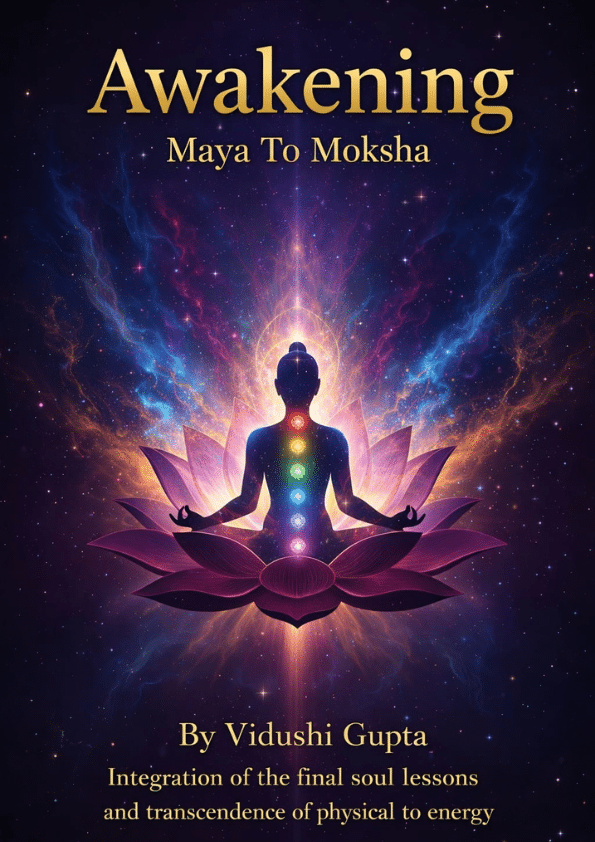
Free PDF Book
Awakening Maya To Moksha
Integration of the final soul lessons and transcendence of physical identity into pure awareness.
Signs You Are Attached to an Outcome
Recognizing attachment in real time is an important step in growth. Attachment often shows up as emotional intensity around results.
You may feel anxious before outcomes, frustrated when things change, or overly sensitive to criticism. Small obstacles may feel bigger than they are because identity feels threatened.
For example, if you are preparing for an exam and feel disappointed when you do not perform perfectly, that is normal. But if you feel like your entire worth is damaged, attachment is present.
Vidushi suggests asking one simple question: If this does not happen, can I still remain at peace and continue growing? The answer often reveals whether desire has become attachment.
You may also like:
- Difference Between Healthy and Codependent Love
- Emotional Enmeshment in Relationships
- What Is the Spiritual Ego
- How to Emotionally Let Go of Someone You Love
Why Letting Go of Attachment Feels Difficult
Letting go of attachment can feel uncomfortable because the ego fears losing control.
Many people think that releasing attachment means losing ambition or caring less.
In truth, letting go means removing emotional dependence, not removing effort. You can work hard, love deeply, and pursue goals while staying inwardly steady.
Vidushi often shares that fear around letting go is natural. The mind equates control with safety.
But real stability comes from flexibility, not control. When you release rigid expectations, you gain emotional strength.
Healthy Desire Supports Growth
Desire without attachment feels energizing rather than stressful. It allows you to act fully without becoming trapped by results.
For instance, you may want to improve your health. You exercise regularly and eat mindfully. If progress is slow, you adjust and continue.
That is healthy desire. But if one missed workout leads to guilt and self-criticism, attachment has formed.
Vidushi has observed that people who act from healthy desire remain consistent. They are focused but not obsessed. They are committed but not emotionally dependent.
Desire and Attachment in Relationships
Relationships are one of the clearest areas where attachment becomes visible. Desire for connection is natural. Attachment to how someone behaves creates suffering.
You may desire love, companionship, and understanding. But when you expect a partner to behave exactly as you imagine, tension grows. Attachment often shows up as jealousy, control, or constant reassurance seeking.
Vidushi explains that love grows when freedom is present. When attachment dominates, fear of loss controls behavior. Healthy desire allows connection to deepen without suffocating it.
Desire in Spiritual Growth
Even spiritual growth can be influenced by desire and attachment. Wanting inner peace or awakening is natural. But comparing your progress with others creates pressure.
Some people want to feel spiritually advanced or superior. That is ego attachment disguised as spiritual desire.
Vidushi encourages approaching spiritual growth with patience. The desire for clarity is healthy. But forcing outcomes or measuring progress constantly creates frustration.
How to Work With Desire Without Creating Attachment
Working with desire requires awareness rather than suppression. The goal is not to eliminate wanting, but to understand it.
When you notice a strong desire, pause and reflect. Ask yourself what deeper feeling you are seeking. Is it security, respect, love, or peace?
Next, check whether your emotional stability depends on achieving that desire. If it does, gently remind yourself that peace must come from within, not from the outcome.
Vidushi often recommends simple reflection practices. Writing down desires and examining the emotions behind them brings clarity. Awareness creates space between intention and attachment.
Living With Clarity Instead of Compulsion
When you understand desire and attachment clearly, life feels more balanced. You still set goals and take action, but you no longer feel controlled by results.
Failure becomes feedback instead of identity damage. Success becomes appreciation instead of proof of worth.
Vidushi’s teachings emphasize grounded spirituality. Desire can exist without destroying peace. Attachment weakens when awareness strengthens.
You begin to act from choice rather than compulsion.
Conclusion
Desire and Attachment: Understanding What Truly Drives Us is about recognizing the fine line between healthy motivation and emotional dependence. Desire helps you grow, create, and connect.
Attachment creates tension when identity and peace become tied to outcomes.
By understanding the role of ego, awareness, and emotional patterns, you can move forward with intention without losing inner balance.
Let desire inspire you, but let clarity guide you. When you release attachment while keeping purpose alive, you discover freedom within effort and peace within ambition.
FAQs
What is the difference between desire and attachment?
Desire is a natural wish or intention to experience or achieve something. Attachment happens when your peace or self-worth depends on getting that thing. Desire is flexible; attachment adds emotional pressure.
Is desire bad in spirituality?
No, desire itself is not bad. Spirituality recognizes that desire can lead to growth when guided by awareness. Problems arise only when desire becomes attachment and creates emotional dependence on outcomes.
How do I know if I’m attached to something?
You may feel anxious, impatient, or frustrated when you don’t get what you want. Signs of attachment include emotional ups and downs, fear of loss, and overthinking about results or people.
Can I have goals without attachment?
Yes. You can work toward goals with focus while staying emotionally balanced. When you’re not attached, you give your best effort but stay at peace regardless of the outcome.
How does ego affect desire and attachment?
Ego often turns desire into attachment by linking your identity to results. It adds fear, comparison, and the need to prove something. Awareness helps reduce ego’s control over your desires.
Why is attachment often linked to suffering?
Attachment creates suffering because it ties happiness to something outside your control. When life changes or expectations aren’t met, you feel disturbed. Letting go of attachment reduces this emotional pain.
How can I reduce attachment but keep my motivation?
Stay aware of your reasons for action. Set goals, but don’t base your self-worth on the result. Practice mindfulness, reflection, and accept that not all outcomes are in your hands.
What happens when desire is unconscious?
Unconscious desires often lead to chasing things that don’t bring true peace. Without awareness, people confuse external success with inner fulfillment, leading to stress and confusion.
How can I transform desire into conscious intention?
Pause before acting on desire. Ask yourself: Why do I want this? What am I really seeking? This reflection brings clarity and helps turn unconscious craving into meaningful action.

Vidushi Gupta is a certified spiritual coach, energy healer, and emotional wellness counselor with over 10 years of experience guiding people through spiritual signs, emotional healing, and inner transformation. Her approach is grounded, fear-free, and focused on helping readers understand spiritual experiences with clarity and emotional balance.
With a background as a digital content strategist and published author of nearly ten novels, Vidushi has reached over 20 million readers worldwide through her writing. She is known for explaining complex spiritual ideas in simple, relatable language, making topics like repeating signs, intuitive shifts, and spiritual awakenings easier to understand and trust.
Through her work, she helps people connect everyday life experiences to deeper inner growth—gently, honestly, and without superstition.
Accuracy, Fact-Checking & Expert Oversight: Vidushi Gupta.