
How emotional intelligence shapes relationships is something we often overlook, yet it quietly defines how deeply we connect with the people we love. It’s not just about being kind or calm—it’s about truly understanding emotions, both yours and theirs.
Ever wondered why some couples seem to handle conflict with grace while others fall apart over small issues?
The answer often lies in emotional intelligence. Let’s explore how this powerful inner skill can change the way we relate, communicate, and grow together.
How Emotional Intelligence Shapes Relationships: A Simple Guide to Stronger Bonds
In today’s world, love isn’t enough to keep relationships strong. What truly keeps people connected is emotional intelligence—the quiet skill that helps us understand feelings, manage emotions, and build deep trust.
Whether you’re in a romantic relationship, navigating dating, or trying to improve family ties, understanding how emotional intelligence shapes relationships can change the way you connect with others.
This article explores emotional intelligence in simple, real-life terms and shows how it works in daily relationships. You’ll also find practical examples and useful insights to help you apply it in your own life.
What is Emotional Intelligence in Relationships?
Before we explore how emotional intelligence shapes relationships, let’s first understand what emotional intelligence (or EQ) really means.
Emotional intelligence is the ability to notice, understand, and manage your own emotions—and to recognize and respond to the emotions of others.
In relationships, this means being able to talk about feelings without blaming, staying calm during conflict, and showing empathy when your partner or loved one is upset.
There are four core parts of emotional intelligence in relationships:
- Self-awareness: Knowing how you feel and what causes those feelings.
- Self-regulation: Being able to stay calm instead of reacting emotionally.
- Empathy: Understanding what others are feeling and why.
- Social skills: Using emotional understanding to build strong communication and trust.
For example, if your partner is unusually quiet, instead of snapping or taking it personally, an emotionally intelligent response would be, “You seem off today—do you want to talk?”
Why Emotional Intelligence Matters in Relationships
Relationships are built on more than shared interests. They thrive on emotional safety. This is where emotional intelligence becomes essential.
People who are emotionally intelligent are better at building trust, expressing love in healthy ways, and dealing with conflict without damaging the connection.
Here’s why emotional intelligence matters so much in relationships:
- It reduces misunderstandings by helping people communicate their feelings clearly.
- It increases emotional safety because both partners feel heard and understood.
- It makes conflict feel less threatening, because the focus is on listening, not winning.
Let’s take an example: One partner is feeling overwhelmed by work. Instead of ignoring their stress or saying “You’re always like this,” an emotionally intelligent partner might say, “I know this week’s been tough—how can I support you?”
This simple shift in how emotions are handled changes the tone of the relationship.
More posts like this:
- What Are the 4 Stages of Emotion Processing
- What is Emotional Intelligence in Self-Management
- How to Develop Self-Awareness for Growth and Resilience
- How to Resolve Differences in a Relationship
Real-Life Ways Emotional Intelligence Shapes Relationships
Emotional intelligence shows up in small, everyday moments. Over time, those moments create the emotional climate of your relationship.
Here are some real-life examples of how emotional intelligence shapes relationships:
- Handling conflict with calm: Instead of yelling or shutting down, emotionally intelligent partners say, “Let’s take a moment and come back to this calmly.”
- Recognizing needs: When one partner needs space, the other respects it instead of taking it as rejection.
- Being present: Putting the phone away during a conversation to fully listen shows emotional attentiveness.
- Giving emotional support: Saying “I’m proud of you” after a tough day shows understanding and connection.
These actions may seem small, but they build emotional trust, reduce distance, and strengthen love.
What Happens When Emotional Intelligence is Missing?
When emotional intelligence is missing, relationships can feel heavy, confusing, and emotionally draining.
People struggle to understand each other’s needs, and simple issues can turn into big arguments.
Here’s what usually happens when emotional intelligence is low:
- Frequent misunderstandings: Partners misread each other’s tone or intent.
- Emotional outbursts: Frustration builds because emotions aren’t expressed clearly.
- Defensiveness: One person feels attacked, so they shut down or fight back.
- Avoidance: Instead of dealing with conflict, people withdraw and stop communicating.
For example, if one person says, “I don’t feel appreciated,” and the other replies, “I do everything for you,” it turns into blame instead of a chance to connect emotionally. The lack of emotional intelligence turns the relationship into a battlefield.
Emotional Intelligence in Conflict and Communication
Every relationship faces conflict. But emotional intelligence helps couples resolve issues without hurting each other. It turns disagreements into conversations instead of fights.
Here are a few emotionally intelligent ways to handle conflict:
- Use “I feel” instead of “You always”: Say, “I feel lonely when we don’t talk,” instead of “You never care.”
- Pause before reacting: A short break can prevent emotional explosions.
- Listen without fixing: Sometimes, just hearing your partner out is enough.
- Apologize with honesty: Saying “I overreacted, and I’m sorry” builds trust.
These habits make it easier to solve problems, even when things feel tense.
How to Build Emotional Intelligence in a Relationship
The good news? Emotional intelligence is something anyone can learn. With regular practice and intention, couples can improve how they connect, communicate, and support each other.
Here are practical ways to build emotional intelligence:
1. Reflect on your emotions
Ask yourself regularly: What am I feeling? Why? This builds self-awareness and helps you avoid reacting impulsively.
2. Learn to regulate emotions
Take a deep breath before responding during stressful moments. Walk away if needed. Return with a calm mindset.
3. Practice empathy
Instead of judging your partner’s feelings, try to understand them. Ask, “What’s bothering you?” or “How can I support you right now?”
4. Be honest about your needs
Don’t expect your partner to guess how you feel. Speak gently but clearly about what you need or hope for.
5. Validate each other’s feelings
When your partner is upset, don’t dismiss their emotions. Say, “I understand why you feel this way” or “That makes sense.”
These small practices create emotional safety over time. You become a team that supports each other emotionally, even through challenges.
Emotional Intelligence in Dating and New Relationships
In dating, emotional intelligence is a game-changer. It helps you build genuine trust and avoid common mistakes like rushing, overthinking, or misreading the other person.
An emotionally intelligent person in a new relationship:
- Listens more than they speak.
- Respects boundaries without pressure.
- Asks thoughtful questions like, “How do you like to handle stress?”
- Notices shifts in tone or body language and checks in gently.
For example, if someone becomes distant, an emotionally aware person won’t assume the worst. They’ll simply say, “I’ve noticed a change—do you want to talk about it?”
This kind of open, respectful communication builds connection from the start.
Emotional Intelligence and Relationship Satisfaction
Studies show that emotional intelligence is one of the top factors influencing long-term relationship satisfaction.
Couples who understand each other’s emotions tend to stay together longer and feel more fulfilled.
Here’s how EQ leads to better relationships:
- Less conflict: Emotionally intelligent couples fight less and recover faster.
- Deeper intimacy: They talk about feelings without fear.
- More teamwork: They make decisions together and support each other’s goals.
- Stronger emotional safety: Both feel safe being vulnerable.
Even in difficult times—like job loss, illness, or family pressure—emotionally intelligent couples can weather the storm together without drifting apart.
Emotional Intelligence in Cultural Context
In Indian and South Asian cultures, emotions are often expressed indirectly. This makes emotional intelligence even more important.
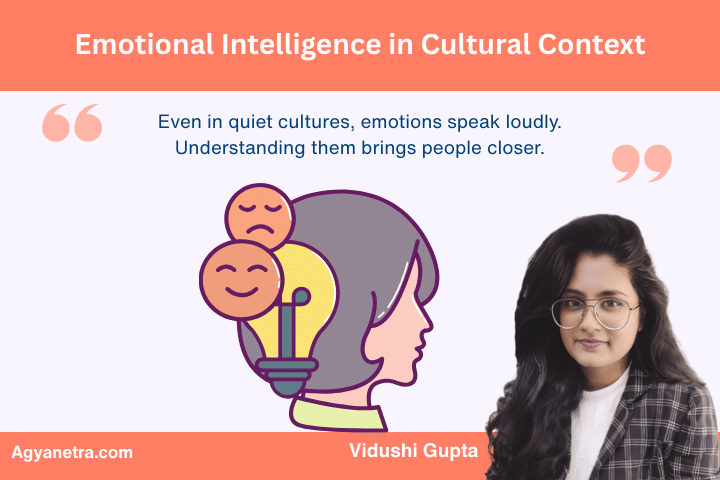
For example, in many families, people don’t say “I love you” openly. But through emotional intelligence, partners can learn to express love through small actions, care, and emotional support.
Vidushi Gupta, who has explored emotional awareness in modern relationships, believes emotional intelligence is not about being perfect—it’s about being present.
She explains that couples don’t need to agree on everything, but they must understand each other’s emotional world.
In cultures where emotional conversations are rare, practicing emotional intelligence helps couples create a space where both feel heard, even in silence.
Final Thoughts
Understanding how emotional intelligence shapes relationships gives us the tools to build deeper, kinder, and more meaningful connections.
From managing conflict to expressing love, from dating to lifelong commitment—emotional intelligence is at the heart of it all.
Whether you’re trying to improve communication, reduce stress in your marriage, or become a better partner, emotional intelligence can lead the way.
It helps you stay calm, speak with care, and listen with empathy.
As Vidushi Gupta reminds us, real relationships don’t need constant perfection—they need emotional presence, honesty, and care. And emotional intelligence offers exactly that.
By applying emotional intelligence in your daily life, you won’t just strengthen your relationships—you’ll change the way you love and live.
That’s the true power of understanding how emotional intelligence shapes relationships.
FAQs
What is emotional intelligence in relationships?
Emotional intelligence in relationships means understanding your own feelings and recognizing your partner’s emotions. It helps you respond with empathy, communicate better, and manage conflict calmly, which leads to deeper connection and trust.
How does emotional intelligence shape relationships?
Emotional intelligence shapes relationships by improving communication, reducing misunderstandings, and building emotional safety. It allows both partners to listen, express emotions clearly, and handle problems with patience and care.
Why is emotional intelligence important in a romantic relationship?
In a romantic relationship, emotional intelligence helps partners understand each other’s needs, manage conflict peacefully, and express love in meaningful ways. It creates a bond built on empathy, respect, and emotional support.
Can low emotional intelligence harm a relationship?
Yes, low emotional intelligence can lead to constant misunderstandings, emotional distance, and unresolved conflicts. It becomes harder for couples to feel heard, valued, or emotionally safe with each other.
How does emotional intelligence help during relationship conflict?
Emotional intelligence helps you stay calm, understand your partner’s point of view, and find peaceful solutions. It reduces blame and encourages respectful conversation, even in tense situations.
Is emotional intelligence more important than communication skills?
They work together. Emotional intelligence supports better communication by helping you express yourself kindly and understand your partner’s emotions. Without emotional awareness, even good communication can feel cold or distant.
Can emotional intelligence improve dating success?
Yes. In dating, emotional intelligence builds trust, encourages open conversation, and helps spot emotional red flags early. It also helps both people feel respected, understood, and emotionally safe.
What role does emotional intelligence play in long-term relationships?
Emotional intelligence keeps love strong by helping partners navigate stress, changes, and disagreements with care. It deepens emotional intimacy and allows couples to grow together over time.

Vidushi Gupta is a spiritual coach, energy healer, and emotional wellness counselor with over 10 years of experience guiding people through spiritual signs, emotional healing, and inner transformation. She is the founder of Agyanetra and a published author of nearly ten novels, reaching over 20 million readers worldwide. Her approach is grounded, fear-free, and focused on helping readers understand spiritual experiences with clarity and emotional balance.