
Karma Yoga and Gyana Yoga Meaning: Understanding the Wheel of Wisdom helps you see how action and knowledge work together in spiritual growth.
Many people feel confused about whether they should focus on doing good deeds or on gaining deeper wisdom. The truth is that both paths are connected, and understanding this connection can bring clarity to daily life.
Life often feels like a wheel that keeps turning. Actions create results, and understanding shapes future actions.
If you continue reading, you will clearly understand the meaning of Karma Yoga, the meaning of Gyana Yoga, and how both create balance in spiritual practice.
Karma Yoga and Gyana Yoga Meaning: Understanding the Wheel of Wisdom
Karma Yoga is known as the path of selfless action. Gyana Yoga is known as the path of knowledge and wisdom. Together, they form a balanced approach to spiritual growth.
Karma Yoga teaches you to act without attachment to results. Gyana Yoga teaches you to question who is acting and why. When combined, action becomes conscious, and knowledge becomes practical.
The wheel of wisdom keeps moving when action and awareness support each other. If action lacks awareness, it becomes mechanical. If knowledge lacks action, it remains theoretical.
What Is Karma Yoga?
Karma Yoga focuses on action done with responsibility and without ego-driven expectation. It does not mean avoiding results, but it means not being emotionally dependent on them.
In daily life, Karma Yoga may look simple. You perform your work honestly, help others when possible, and fulfill duties without constant craving for praise. The shift happens inside, not outside.
When actions are done with attachment, anxiety increases. When actions are done with sincerity and detachment, peace grows. Vidushi Gupta often reminds students that intention shapes the spiritual value of action.
Karma Yoga reduces selfishness and strengthens discipline. It turns everyday life into spiritual practice.
What Is Gyana Yoga?
Gyana Yoga is the path of inquiry and self-knowledge. It encourages you to question assumptions about identity, ego, and reality.
Instead of blindly accepting beliefs, you reflect deeply. You ask who you truly are beyond roles and achievements. This inquiry sharpens awareness.
Knowledge in Gyana Yoga is not information alone. It is understanding gained through reflection and experience. Wisdom grows when knowledge becomes lived truth.
Vidushi often shares that Gyana Yoga requires honesty. Without self-honesty, knowledge remains superficial.
The Wheel of Karma and Wisdom
The idea of a wheel represents continuity. Actions create consequences, and understanding shapes future actions.
When you act with awareness, your karma becomes lighter. When you understand consequences clearly, your decisions improve. The wheel keeps turning, but your relationship with it changes.
Instead of feeling trapped by circumstances, you feel responsible for choices. Spiritual maturity develops when knowledge guides action consistently.
Karma and Gyana Yoga are not separate roads. They support each other in a steady cycle.
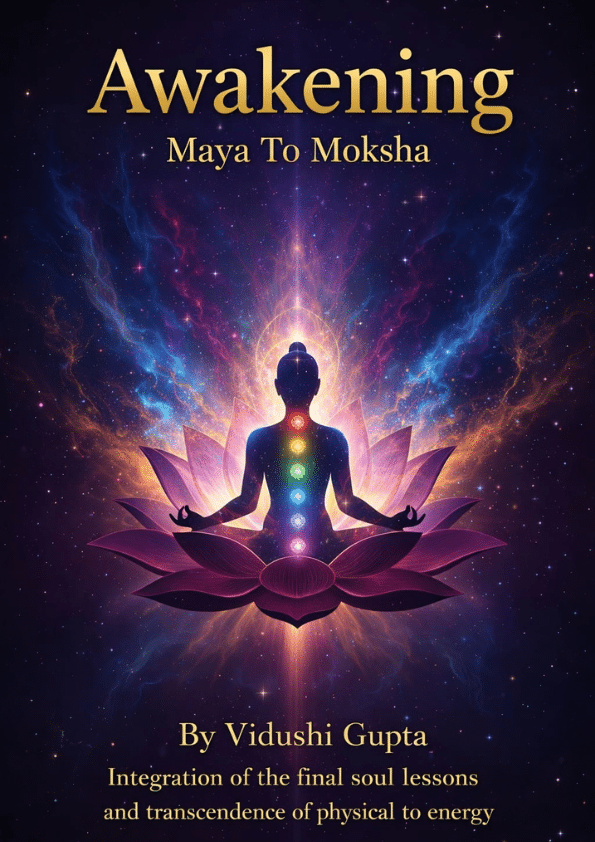
Free PDF Book
Awakening Maya To Moksha
Integration of the final soul lessons and transcendence of physical identity into pure awareness.
How Karma Yoga Works in Daily Life
Spiritual growth is meaningful only when applied practically. Karma Yoga encourages mindful participation in life rather than withdrawal.
In a workplace setting, it may mean doing your job with dedication while accepting outcomes calmly. In relationships, it may mean giving effort without demanding constant validation.
Detachment does not mean indifference. It means emotional balance. You care deeply, yet you do not collapse when results differ from expectations.
This approach reduces stress. It builds resilience and mental clarity.
How Gyana Yoga Builds Inner Clarity
Gyana Yoga strengthens discrimination, which means the ability to see clearly. It trains the mind to distinguish between temporary emotion and deeper truth.
Self-inquiry questions automatic beliefs. Why does criticism hurt so much? Why does success feel incomplete? These reflections reveal hidden attachments.
Clarity reduces confusion. When understanding increases, emotional reactions decrease.
Knowledge without ego softens judgment. It encourages thoughtful responses instead of impulsive reactions.
The Balance Between Action and Knowledge
Excess action without reflection leads to exhaustion. Excess reflection without action leads to stagnation. Balance is essential.
Karma Yoga keeps you engaged with the world. Gyana Yoga keeps you grounded in awareness. Together, they prevent extremes.
A person focused only on action may become restless. A person focused only on knowledge may become detached from reality. The wheel of wisdom spins smoothly when both paths work together.
Spiritual traditions often emphasize integration rather than isolation.
Detachment and Responsibility
Detachment is often misunderstood as carelessness. In Karma Yoga, detachment means performing duties fully while accepting outcomes peacefully.
Responsibility remains central. You still act with sincerity and integrity. The difference lies in emotional dependence.
When results do not define self-worth, fear decreases. This reduces anxiety and improves focus.
Gyana Yoga supports this detachment by helping you see identity beyond temporary roles.
You May Also Like: What Is the Zero Point in Spirituality? Understanding Shunyata
The Law of Karma and Conscious Living
The law of karma teaches that actions have consequences. This principle encourages conscious decision-making.
Awareness of consequences naturally increases responsibility. Instead of acting impulsively, you reflect before choosing.
Spiritual growth deepens when actions align with values. Conscious living reduces regret and builds trust in oneself.
Vidushi Gupta often explains that karma is not fate. It is momentum shaped by choice.
Challenges on the Path
Applying Karma Yoga and Gyana Yoga consistently is not always easy. Ego resists detachment. The mind resists deep inquiry.
Some days actions feel selfless. Other days attachment returns. This fluctuation is normal.
Growth happens through steady practice, not perfection. Small daily efforts strengthen discipline.
Honest reflection prevents stagnation. Patience prevents frustration.
Integrating Karma Yoga and Gyana Yoga
Integration means allowing knowledge to guide action. It also means allowing action to test knowledge.
When wisdom informs decisions, actions become aligned. When actions reflect awareness, learning deepens.
Spiritual growth becomes balanced. You neither escape responsibilities nor drown in them.
The wheel of wisdom turns smoothly when both paths operate together.
Long-Term Impact on Spiritual Growth
Over time, Karma Yoga reduces selfish attachment. Gyana Yoga reduces ignorance about identity.
Together, they create emotional stability. Life events still occur, but reactions become measured.
Clarity increases. Fear decreases. Purpose feels grounded rather than forced.
Spiritual maturity grows quietly through consistent action and reflection.
Conclusion
Karma Yoga and Gyana Yoga Meaning: Understanding the Wheel of Wisdom reveals that action and knowledge are not separate paths but complementary forces in spiritual growth.
Karma Yoga teaches selfless action with detachment, while Gyana Yoga teaches self-inquiry and inner clarity. When both operate together, life becomes balanced and purposeful.
The wheel of karma turns continuously, yet awareness changes how you move within it. Through conscious action and honest reflection, spiritual growth becomes steady and practical.
Understanding Karma Yoga and Gyana Yoga meaning allows you to live responsibly while remaining inwardly free.
FAQs
What is Karma Yoga and Gyana Yoga meaning in simple terms?
Karma Yoga and Gyana Yoga meaning refers to two spiritual paths—one focused on selfless action and the other on self-knowledge. Karma Yoga teaches acting without attachment to results, while Gyana Yoga encourages deep inquiry into identity and truth. Together, they create balanced spiritual growth.
What is the difference between Karma Yoga and Gyana Yoga?
The main difference is focus. Karma Yoga centers on action and responsibility in daily life. Gyana Yoga focuses on reflection, wisdom, and understanding the true self. Both paths support each other and are often practiced together.
Can I practice Karma Yoga in everyday life?
Yes, Karma Yoga can be practiced through daily responsibilities. Doing your work honestly, helping others without expecting praise, and staying calm about outcomes are simple ways to live Karma Yoga.
How does Gyana Yoga help in spiritual growth?
Gyana Yoga helps spiritual growth by encouraging self-inquiry and clarity. It asks deeper questions about identity, ego, and purpose. This awareness reduces confusion and strengthens wise decision-making.
Is Karma Yoga about giving up results completely?
Karma Yoga does not mean ignoring results. It means doing your best effort while not tying your self-worth to the outcome. You act responsibly but remain emotionally balanced.
Can someone follow only Gyana Yoga without Karma Yoga?
While possible, relying only on Gyana Yoga may create imbalance. Knowledge without action can remain theoretical. Combining both paths allows wisdom to guide real-life decisions.
Is Karma Yoga connected to detachment?
Yes, Karma Yoga involves detachment from emotional dependence on results. Detachment does not mean indifference; it means staying steady whether outcomes are favorable or not.
Why are Karma Yoga and Gyana Yoga important today?
Karma Yoga and Gyana Yoga meaning remains relevant because modern life demands both action and clarity. Balancing responsibility with awareness reduces stress and supports stable personal growth.

Vidushi Gupta is a spiritual coach, energy healer, and emotional wellness counselor with over 10 years of experience guiding people through spiritual signs, emotional healing, and inner transformation. She is the founder of Agyanetra and a published author of nearly ten novels, reaching over 20 million readers worldwide. Her approach is grounded, fear-free, and focused on helping readers understand spiritual experiences with clarity and emotional balance.