
Spiritual Integration and Embodiment: Healing the Fragmented Self and Living Soul Wisdom describes the stage where spiritual learning becomes part of daily life.
Many people experience moments of insight, healing, or awakening, yet true transformation happens when those insights are fully integrated into thoughts, behavior, and relationships.
Life experiences often leave individuals feeling divided within themselves. Different emotions, beliefs, and past experiences can create inner conflict.
Spiritual integration helps bring these scattered parts together so a person begins to feel whole again.
Embodiment means living the wisdom that has been learned rather than simply understanding it intellectually. When knowledge becomes action, awareness becomes visible in everyday choices.
This stage of spiritual growth invites individuals to gather the lessons from their journey and weave them into a balanced and conscious way of living.
By exploring this process, readers can understand how healing the fragmented self leads to clarity, stability, and a deeper connection with life.
Spiritual Integration and Embodiment
Spiritual integration and embodiment describe the process of bringing spiritual insights into everyday life.
Many people gain knowledge through meditation, reflection, or spiritual study. However, understanding something intellectually is only the beginning.
Integration occurs when these insights begin influencing daily decisions, communication, and emotional responses.
Embodiment means that wisdom is no longer just an idea. It becomes visible in how a person behaves and interacts with others.
Vidushi Gupta often explains that spiritual growth becomes meaningful when awareness is expressed through action.
Living with integrity and emotional balance reflects true embodiment of spiritual wisdom.
Understanding the Fragmented Self
Human experiences often create emotional fragments within the mind.
Childhood memories, past disappointments, and difficult relationships can leave emotional impressions that shape behavior later in life.
Sometimes people feel pulled in different directions because these past experiences influence their thoughts and reactions.
The fragmented self refers to these divided parts of identity created by unresolved experiences.
Recognizing these fragments is an important step toward healing.
When individuals become aware of these inner divisions, they begin understanding why certain patterns repeat in their lives.
This awareness opens the door for integration.
Healing the Fragmented Self
Healing the fragmented self involves bringing awareness and compassion to these separated emotional parts.
Instead of ignoring past experiences, individuals learn to acknowledge them with patience and understanding.
Reflection helps reveal how these experiences influenced beliefs and reactions.
Through understanding, individuals gradually release emotional tension connected to the past.
This process does not erase memories but reduces their control over present behavior.
Vidushi Gupta often reminds students that healing begins with honest observation rather than judgment.
When people accept their experiences as part of their growth, integration becomes possible.
Learning From Soul Lessons
Life experiences often carry valuable lessons that guide personal growth.
Difficult situations sometimes reveal hidden strengths or areas that need healing.
Soul lessons are the insights gained from these experiences.
Recognizing these lessons helps individuals understand how challenges contributed to their development.
Instead of viewing past struggles only as problems, people begin seeing them as opportunities for growth.
This perspective transforms frustration into understanding.
Over time, individuals begin making decisions based on wisdom gained through experience.
You may also like:
Understanding Individuation and the Inner Marriage of Self
Soul vs Ego and the Inner Journey of Self Awareness
Spiritual Death and Rebirth: Understanding the Inner Transformation Process
Seven Characteristics of a Spiritual Person
The Role of Awareness in Integration
Awareness plays a central role in integrating spiritual insights.
When individuals observe their thoughts and emotions honestly, they begin recognizing patterns that influence their actions.
This awareness creates space for change.
Instead of reacting automatically, people gain the ability to respond thoughtfully.
Awareness also helps individuals recognize moments when old patterns attempt to return.
Through conscious attention, they can choose different responses aligned with their values.
Vidushi often encourages people to practice quiet reflection so awareness remains strong during everyday challenges.
Free PDF Book
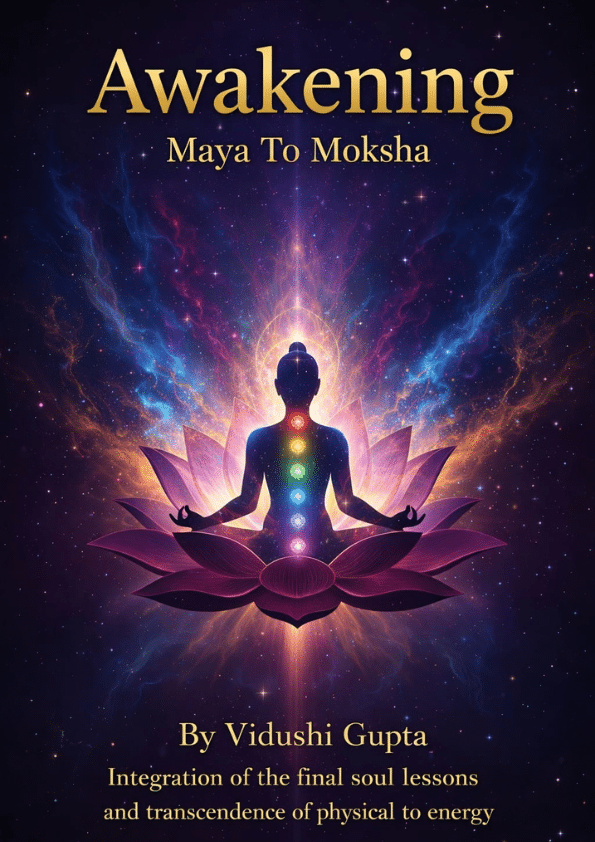
Awakening Maya To Moksha
Integration of the final soul lessons and transcendence of physical identity into pure awareness.
Embodying Spiritual Wisdom
Embodiment occurs when spiritual understanding becomes visible in daily life.
Someone who embodies wisdom communicates with patience and listens with genuine interest.
Decisions reflect compassion and responsibility rather than impulsive reaction.
Embodiment also means maintaining emotional balance during both success and difficulty.
People who practice embodiment do not claim perfection. Instead, they continue learning while applying their understanding.
Over time, others begin noticing the stability and clarity in their behavior.
This quiet influence often inspires others to explore their own growth.
Integrating Mind, Heart, and Action
Spiritual integration requires harmony between thoughts, emotions, and behavior.
When these aspects of life become aligned, individuals experience a stronger sense of inner stability.
The mind provides understanding, the heart offers compassion, and actions express these qualities in the world.
Alignment between these elements creates authenticity.
People feel more confident because their actions match their values.
This balance reduces inner conflict and strengthens personal clarity.
Vidushi Gupta often describes this alignment as living with wholeness rather than division.
Living With Embodied Awareness
Embodied awareness transforms ordinary moments into opportunities for conscious living.
Simple interactions such as conversations, decisions, and daily responsibilities become expressions of awareness.
Individuals begin noticing how their energy influences others.
Calm communication encourages cooperation, while thoughtful listening builds trust.
Living with embodied awareness also helps individuals maintain emotional balance during unexpected challenges.
This balanced presence creates stability both within the individual and within their relationships.
Gradually, embodied awareness becomes a natural way of experiencing life.
The Wisdom of Integration
The final stage of spiritual integration reveals an important truth: growth is not about becoming someone new but about understanding oneself more deeply.
As fragments heal and lessons become integrated, individuals begin experiencing greater inner harmony.
Life feels less confusing because awareness guides decisions.
Compassion becomes easier because people understand the complexity of human experiences.
Wisdom grows through patience and reflection.
This wisdom supports a life that feels authentic and purposeful.
Conclusion
Spiritual Integration and Embodiment: Healing the Fragmented Self and Living Soul Wisdom represents the stage where spiritual growth becomes fully expressed in daily life.
Through awareness, healing, and reflection, individuals learn to integrate the lessons gained from their experiences. Fragmented emotions and beliefs gradually become aligned within a balanced sense of self.
As Vidushi Gupta often teaches, embodiment means living with honesty, compassion, and responsibility rather than simply studying spiritual ideas.
When wisdom becomes action, spiritual integration naturally creates clarity, stability, and deeper connection with the world.
The journey of integration continues throughout life, guiding individuals toward wholeness, understanding, and authentic living.
FAQs
What is spiritual integration and embodiment?
Spiritual integration and embodiment refer to the process of applying spiritual insights in everyday life. Instead of only understanding ideas intellectually, a person begins living those values through actions, decisions, and relationships. This stage of spiritual growth helps create balance between awareness, behavior, and emotional understanding.
What does healing the fragmented self mean in spiritual growth?
Healing the fragmented self means recognizing and understanding the different emotional parts created by past experiences. Through reflection and awareness, individuals begin to accept these parts instead of ignoring them. This process helps reduce inner conflict and supports a more balanced and unified sense of identity.
Why is embodiment important in spiritual awakening?
Embodiment is important because spiritual knowledge becomes meaningful only when it influences daily behavior. When someone embodies spiritual wisdom, they show patience, compassion, and clarity in real situations. This stage transforms spiritual learning from ideas into lived experience.
How do soul lessons help personal growth?
Soul lessons are the insights gained through life experiences, especially challenges and relationships. These lessons help individuals understand their emotions, beliefs, and reactions more deeply. Over time, learning from these experiences supports greater awareness and encourages wiser decisions.
How can someone practice spiritual integration in daily life?
Spiritual integration can be practiced through simple habits such as self-reflection, honest communication, and mindful decision-making. Observing emotional reactions and learning from experiences also helps strengthen awareness. These daily practices gradually bring spiritual understanding into real-life actions.

Vidushi Gupta is a spiritual coach, energy healer, and emotional wellness counselor with over 10 years of experience guiding people through spiritual signs, emotional healing, and inner transformation. She is the founder of Agyanetra and a published author of nearly ten novels, reaching over 20 million readers worldwide. Her approach is grounded, fear-free, and focused on helping readers understand spiritual experiences with clarity and emotional balance.