
Love as the Initiation is the experience of being changed by love rather than simply comforted by it. A powerful connection can illuminate longing, fear, attachment and hidden needs, inviting you to meet yourself with greater honesty.
This kind of love may feel beautiful and unsettling at the same time. It can create tenderness while disrupting familiar ideas about relationships, identity and emotional security.
The intensity is not necessarily proof that a particular relationship must last. Its deeper value may lie in what it reveals and how consciously you respond to that revelation.
What Does Love as the Initiation Mean?
In spiritual language, initiation is a threshold that changes the person who crosses it. Love becomes an initiation when it makes old emotional patterns impossible to ignore.
Initiatory love does not merely offer affection; it asks you to become more conscious.
Ordinary expectations often present love as a source of companionship, validation and fulfillment. Initiatory love may include those gifts, but it also brings unresolved parts of the self into view.
You may become aware of how deeply you want to be chosen, how quickly distance activates fear, or how strongly your identity depends on another person’s response.
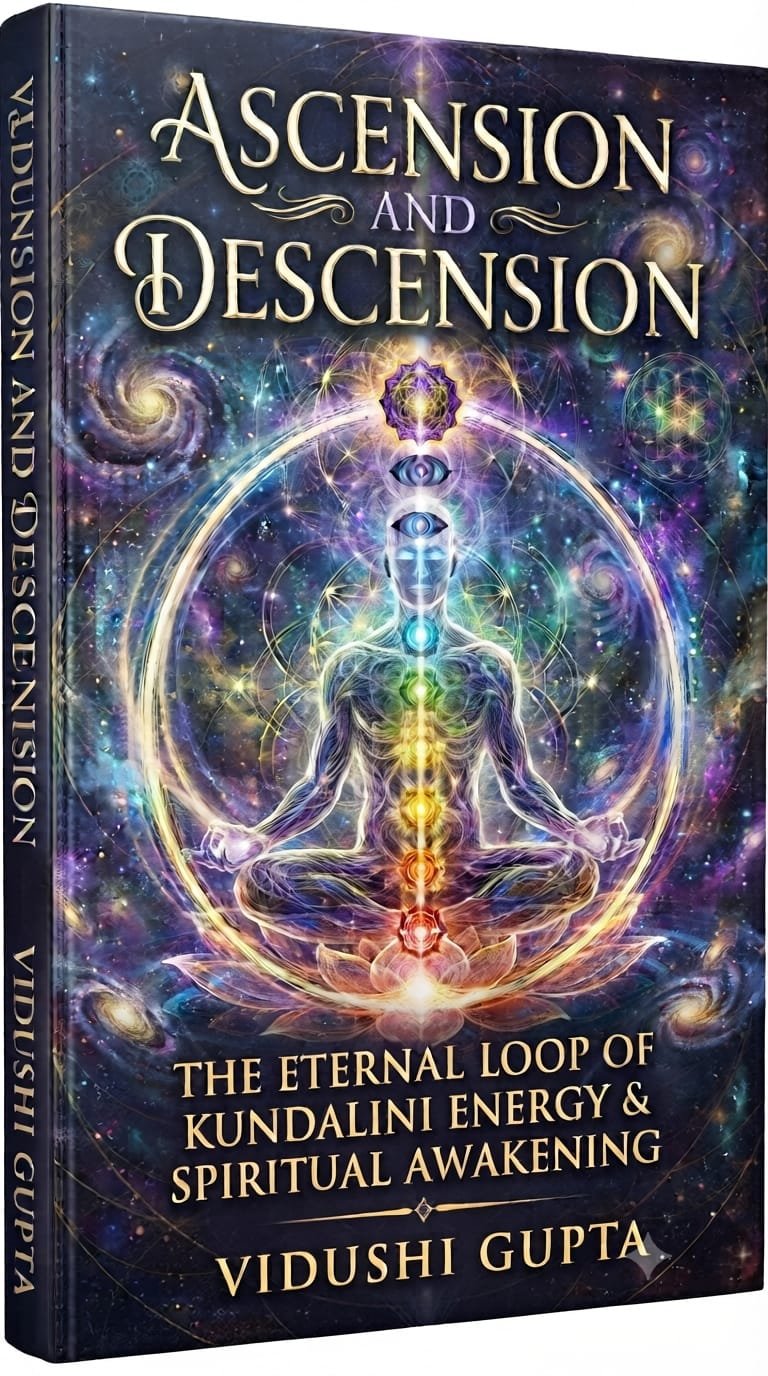
Ascension & Descension
The spiritual journey does not end when consciousness rises. It becomes complete when wisdom returns to life.
Ascension & Descension explores the movement from spiritual awakening toward embodiment. Through Kundalini, shadow work, Twin Flame experiences and the return from Crown to Root, the book explores what happens when spiritual insight enters the body, relationships, responsibility and everyday human life.
Signs that love has become a threshold
The connection may be functioning as an initiation when it repeatedly directs your attention inward rather than allowing you to remain focused only on the other person.
- Small interactions awaken unusually strong emotions.
- Silence reveals fears you previously avoided.
- Longing exposes unmet emotional needs.
- Uncertainty challenges your need for control.
The purpose is not to glorify emotional pain. It is to recognize that intense feelings can become material for awareness when you approach them without denial or self-abandonment.
Why Sacred Love Can Feel Destabilizing
A profound connection can disturb the emotional arrangements that once helped you feel safe. That disruption may feel like loss, even when it is opening the way for growth.
Intensity becomes useful when it leads to awareness rather than emotional dependence.
Presence may create a feeling of expansion, while distance can seem to remove something essential. This contrast often reveals how much inner stability has been placed in another person’s hands.
Longing then becomes more than a desire for closeness. It shows where you associate another person’s attention with safety, value or personal completeness.
Silence can also become instructive. Instead of providing immediate reassurance, it exposes the stories the mind creates when an outcome is uncertain.
This is one reason for the close connection between love and spiritual awakening. Relationship experiences can uncover unconscious beliefs faster than abstract spiritual ideas.
Yet emotional intensity alone is not evidence of destiny or spiritual compatibility. Its value depends on whether it supports honesty, responsibility, dignity and a more grounded relationship with yourself.
What Love Reveals About Attachment
Attachment asks another person to provide the wholeness that must also be cultivated within.
Love can reveal expectations that once seemed invisible. You may notice a need for constant reassurance, a fear of being replaced or a wish to control how the relationship unfolds.
These reactions do not make you incapable of genuine love. They show where affection has become entangled with survival strategies, old wounds and beliefs about personal worth.
For example, devotion can contain a hidden bargain: if I love deeply enough, the other person should choose me. Unconditional language can also conceal an unspoken demand for a specific result.
Questions that bring attachment into awareness
Instead of judging the feeling, become curious about the need beneath it. Ask yourself:
- What am I afraid will happen?
- What reassurance am I seeking?
- What outcome am I trying to control?
- What would self-respect require here?
Exploring the connection between self-worth and love life can help you separate sincere affection from the need to have someone else confirm your value.
From Desired Outcomes to Inner Transformation
The turning point arrives when attention shifts from securing the relationship to understanding who you are becoming through the experience.
The most empowering question is not what love will give you, but what it is awakening in you.
When all energy is directed toward obtaining union, your wellbeing becomes tied to another person’s decisions. Returning attention to your own development restores agency without requiring you to deny the connection.
You can ask whether loving this person is making you more honest, compassionate and self-aware. You can also notice whether it is encouraging patience or feeding fixation and self-neglect.
This shift does not guarantee that longing will disappear. It changes your relationship with longing, allowing it to be felt without letting it determine every choice.
Transformation also requires accepting that meaning and outcome are not identical. A relationship may be deeply meaningful even if it does not follow the future imagined by the mind.
Love then becomes a path of participation rather than possession. You receive its lesson by living more consciously, not by forcing another person to complete the story.
How to Embody Love Without Losing Yourself
Embodied love keeps the heart open while protecting dignity, boundaries and inner stability.
To embody love is to let it shape the quality of your presence. It means becoming more loving without turning another human being into the sole source of love.
You can care deeply while continuing to sleep, eat, work, create and maintain supportive relationships. These ordinary acts keep spiritual language connected to real life.
You can also acknowledge longing without obeying every impulse it produces. A feeling may deserve compassion without requiring a message, pursuit or immediate decision.
Practices that support embodied love
- Name emotions without building a story around them.
- Pause before seeking reassurance from the other person.
- Keep commitments that support your physical wellbeing.
- Express boundaries clearly and without punishment.
- Allow mutuality to matter alongside spiritual meaning.
Learning the difference between healthy and codependent love can clarify whether connection is supporting two whole people or encouraging one person to disappear into the relationship.
Self-honoring love is not cold or detached. It allows tenderness to exist alongside discernment, making it possible to love another person without repeatedly leaving yourself behind.
Discernment: Transformation Is Not Permission to Suffer
Spiritual interpretations of relationships require careful discernment. A connection may awaken important lessons, but that does not make harmful behavior sacred or acceptable.
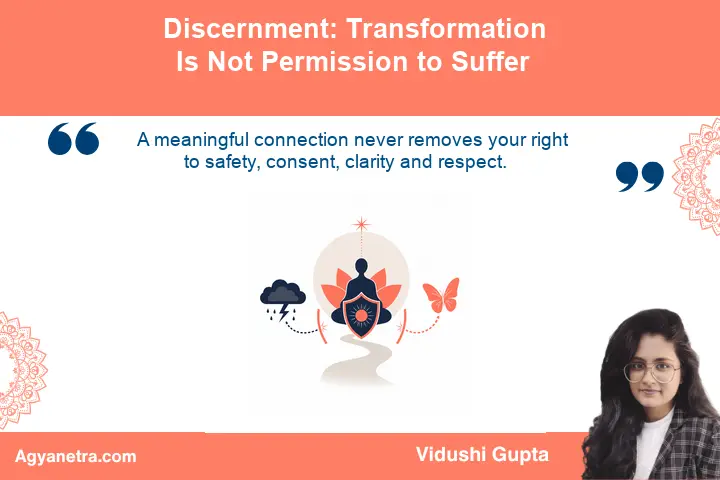
A meaningful connection never removes your right to safety, consent, clarity and respect.
Do not use ideas such as destiny, sacred union or twin flames to excuse manipulation, repeated dishonesty, coercion or emotional abuse. Growth can occur without remaining available to mistreatment.
Another person’s silence is not automatically a spiritual message. Sometimes it is simply a boundary, a lack of readiness or an indication that communication is not mutual.
Discernment asks you to honor observable behavior. A powerful inner experience may be real for you, but it cannot establish another person’s feelings, intentions or obligations.
Choose grounding when the story becomes consuming
- Respect direct communication and stated boundaries.
- Notice whether contact is genuinely reciprocal.
- Seek trusted support when daily functioning declines.
- Step back from interpretations that intensify obsession.
If separation is necessary, learning how to emotionally let go of someone you love does not erase what the relationship meant. It allows meaning to remain without continued pursuit.
The clearest spiritual response is not always reunion. It may be accepting reality, grieving honestly and carrying the awakened capacity for love into a healthier life.
A Grounded Practice for Working With Intense Love
Bring each powerful emotion back to the body, the truth and the next responsible choice.
A simple reflective practice can help you receive the insight within an intense connection without becoming controlled by its emotional force.
- Pause: Take several slow breaths before contacting the other person, checking social media or interpreting the situation.
- Name the feeling: Identify what is present, such as longing, fear, jealousy, hope, grief or tenderness.
- Locate it: Notice where the emotion appears in your body without trying to make it disappear.
- Identify the need: Ask whether you need reassurance, rest, clarity, expression, support or a firmer boundary.
- Choose responsibly: Take one action that respects both your emotional truth and the other person’s autonomy.
You may also write two separate statements: what you know from direct evidence and what you are imagining. This distinction reduces projection and helps you respond to reality.
Repeat the practice whenever intensity returns. Initiation is not completed by one dramatic realization; it deepens through small choices that align love with awareness and self-respect.
Final Words
Love as the Initiation invites you to understand love as an awakening force. It can expose attachment, challenge the desire for control and reveal where worth has been placed outside yourself.
The goal is not emotional numbness or forced detachment. It is the ability to remain openhearted without losing discernment, personal dignity or contact with reality.
When love brings you closer to truth, responsibility and inner wholeness, its transformative purpose is already unfolding—regardless of whether the relationship takes the form you once expected.
FAQs
What does Love as the Initiation mean?
It means experiencing love as a threshold into greater self-awareness. The connection reveals hidden fears, attachments and needs, inviting conscious inner change.
Why can a spiritual love connection feel so intense?
It may activate fears of abandonment, unmet needs and beliefs about self-worth. Intensity can reveal these patterns, but it does not automatically prove destiny or compatibility.
Is longing always a sign that two people belong together?
No. Longing shows the depth of your emotional experience, not the other person’s intentions or the relationship’s future. Mutual communication and observable behavior still matter.
How can I love someone without losing myself?
Maintain your routines, relationships, boundaries and personal responsibilities. Feel your emotions fully, but pause before acting on impulses driven by fear or the need for reassurance.
Can a meaningful spiritual connection still be unhealthy?
Yes. Spiritual meaning does not excuse manipulation, coercion, dishonesty or repeated disrespect. A healthy response protects safety, consent, dignity and emotional wellbeing.
Does letting go mean the love was not real?
No. Letting go can mean accepting reality while honoring what the experience awakened in you. Love can remain meaningful without continued pursuit or possession.

Vidushi Gupta is a spiritual coach, energy healer, and emotional wellness counselor with over 10 years of experience guiding people through spiritual signs, emotional healing, and inner transformation. She is the founder of Agyanetra and a published author of nearly ten novels, reaching over 20 million readers worldwide. Her approach is grounded, fear-free, and focused on helping readers understand spiritual experiences with clarity and emotional balance.