
The Collective Soul Mission: Love in the World begins when personal awakening becomes useful beyond the self. Healing still matters, but its deeper value appears in how we speak, love, create, handle conflict, respect freedom, and respond to suffering.
Spiritual growth often begins with personal questions. We want to understand our wounds, relationships, inner energy, longing, separation, purpose, or connection with the Divine.
Yet awakening can become another private achievement if it never changes our participation in daily life. The turning point comes when we stop asking only what an experience means for us and begin asking what kind of human being it is helping us become.
A collective soul mission does not require a dramatic destiny or public spiritual role. It can unfold through ordinary people bringing greater awareness, compassion, honesty, and freedom into the lives they already touch.
When Personal Awakening Becomes Participation: The Collective Soul Mission
Inner work prepares us to meet the world differently, but it is not meant to keep us permanently absorbed in ourselves.
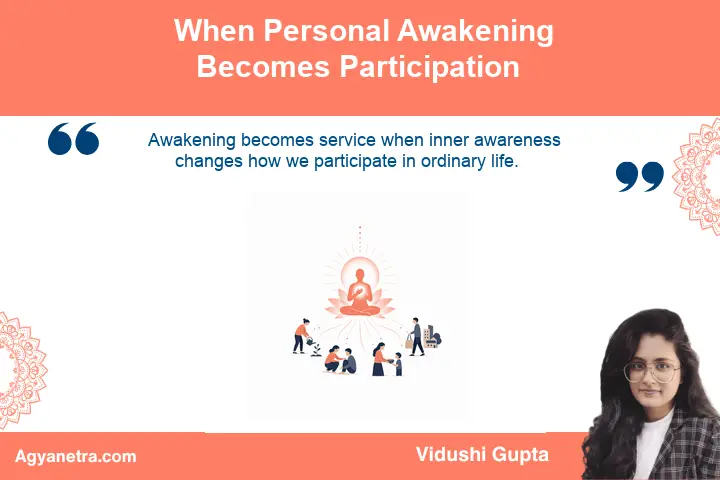
Awakening becomes service when inner awareness changes how we participate in ordinary life.
Personal healing gives us a necessary foundation. We cannot offer steady presence while continually avoiding our own pain, and we cannot create peaceful relationships while remaining unaware of the fear guiding our reactions.
Over time, however, self-observation must become conscious participation. The patience developed in meditation may appear in a difficult conversation. Emotional regulation may prevent us from passing our pain to a partner, child, colleague, or stranger.
This is service in a grounded sense. It is not about rescuing humanity, presenting ourselves as spiritually advanced, or carrying responsibility for everyone’s healing.
It means bringing the quality of consciousness we have cultivated into the places where we already have influence. A family, workplace, friendship, creative project, or brief encounter can become the setting where awakening takes form.
What Is the Collective Soul Mission?
The collective soul mission is the shared movement from unconscious fear toward conscious love, expressed through individual choices and relationships.
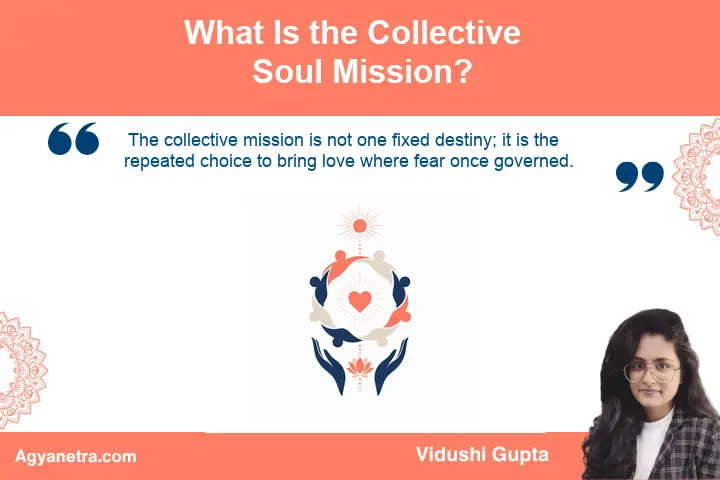
The collective mission is not one fixed destiny; it is the repeated choice to bring love where fear once governed.
This mission does not demand that everyone follow the same spiritual path. One person may understand transformation through spirituality, another through psychology, healing, social responsibility, creativity, parenthood, or honest relationship.
The language can differ while the essential movement remains similar. People become more aware of suffering, more responsible for their effects, and less willing to repeat harmful patterns without examination.
Collective change therefore begins with individual responsibility, but it does not end in individual improvement. Each person influences a wider human field through behavior, communication, leadership, care, and the patterns they pass forward.
When even one person becomes less reactive, another person may experience less harm. When someone listens without controlling the outcome, another human being may finally feel safe enough to speak honestly.
Conscious Love Does Not Require Control
Love serves the collective when closeness and freedom are allowed to exist together.
Relationships reveal whether spiritual understanding has reached daily life. It is easy to speak about unconditional love; it is harder to love without possession, emotional coercion, manipulation, or the demand that another person complete us.
In a Twin Flame framework, the collective purpose does not have to be a predetermined cosmic assignment. Its practical meaning may be two people learning to relate with greater honesty, freedom, discernment, and responsibility.
This does not make every intense connection healthy or permanent. Spiritual language should never be used to dismiss boundaries, deny another person’s choices, excuse harmful behavior, or turn longing into a claim of ownership.
Conscious love allows intimacy without erasing individuality. It respects consent, accepts that paths may diverge, and understands that release can sometimes be more loving than pursuit.
Such a relationship need not be perfect to contribute something valuable. It becomes a living experiment in whether vulnerability and strength, commitment and freedom, or affection and clear boundaries can coexist.
How Inner Healing Changes Relationships
Healing becomes collective when it changes what we carry into our relationships and what we refuse to pass to the next generation.
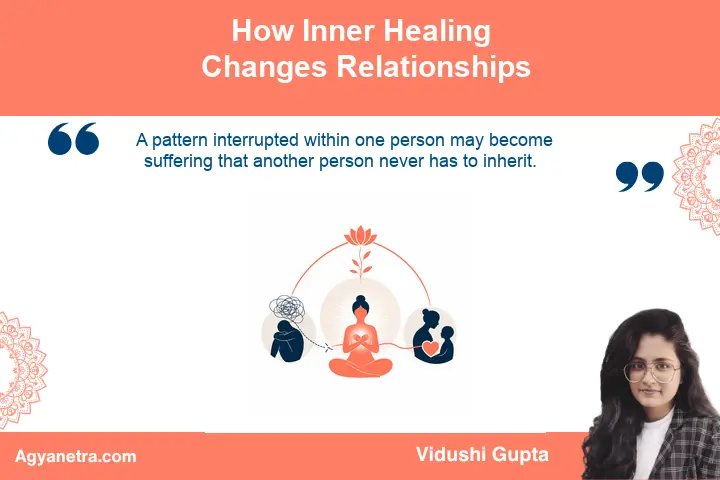
A pattern interrupted within one person may become suffering that another person never has to inherit.
Unexamined wounds rarely remain private. They can appear as defensiveness, withdrawal, people-pleasing, domination, blame, jealousy, emotional numbness, or repeated attraction to unstable dynamics.
Inner healing creates a pause between pain and action. That pause gives us room to identify what belongs to the present moment, what comes from the past, and what response protects dignity without creating further harm.
Relational transformation may look simple from the outside. A parent regulates anger before responding to a child. A partner expresses a need directly rather than using silence as punishment. A friend stays present without trying to manage another person’s grief.
These choices may never be described as spiritual experiences. Nevertheless, they are meaningful forms of awakening because they replace inherited unconsciousness with awareness, responsibility, and care.
Collective Awakening Happens Through Small Choices
Humanity changes whenever an ordinary person chooses a more conscious response to an ordinary moment.
Collective awakening is often imagined as a sudden global shift. A more realistic possibility is that it develops quietly through countless decisions made in homes, relationships, institutions, and communities.
It happens when a leader values responsibility more than status. It appears when someone breaks an inherited pattern of shame, or when two people disagree without reducing each other to enemies.
It is present when compassion and boundaries are practiced together. Compassion helps us recognize another person’s humanity; boundaries prevent care from becoming self-abandonment, enabling, resentment, or control.
No individual choice will repair the whole world. Yet each choice affects the emotional environment around us and demonstrates what is possible within human relationships.
This is how personal change becomes cultural. A conscious action becomes a new relational pattern, the pattern becomes repeatable, and what was once unusual can gradually become normal.
The Mystical Must Become Ethical
Spiritual experiences become trustworthy when they increase compassion, humility, accountability, and respect for human freedom.
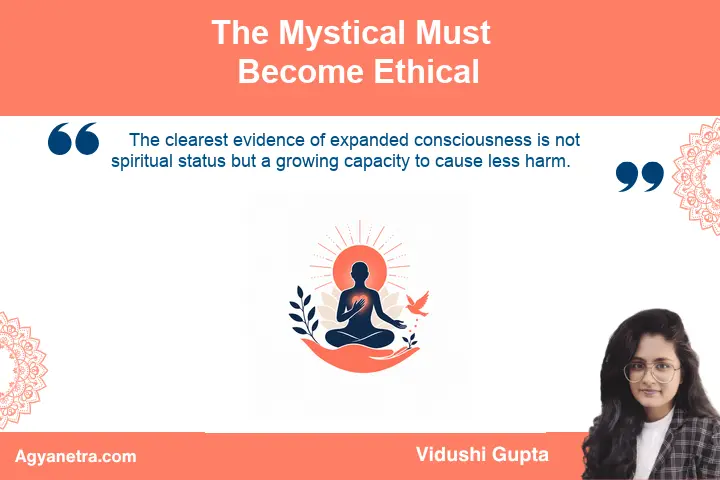
The clearest evidence of expanded consciousness is not spiritual status but a growing capacity to cause less harm.
Mystical insight can open the heart and transform our understanding of life. But unusual experiences, intense energy, visions, or feelings of unity do not automatically produce emotional maturity.
The practical test is ethical. Are we becoming more capable of listening, apologizing, repairing harm, and admitting uncertainty? Can we hold power without cruelty and speak truth without using it as a weapon?
Spiritual maturity also includes the ability to remain conscious during conflict. It asks us to feel pain without making others pay for it and to maintain discernment without turning judgment into hatred.
This does not require passivity or endless tolerance. Sometimes love asks for a firm no, a difficult truth, a safe distance, or the ending of a damaging relationship.
Ethical spirituality joins tenderness with responsibility. It allows us to see complexity without dividing everyone into heroes and villains, and it leaves room for correction when we discover that our understanding was incomplete.
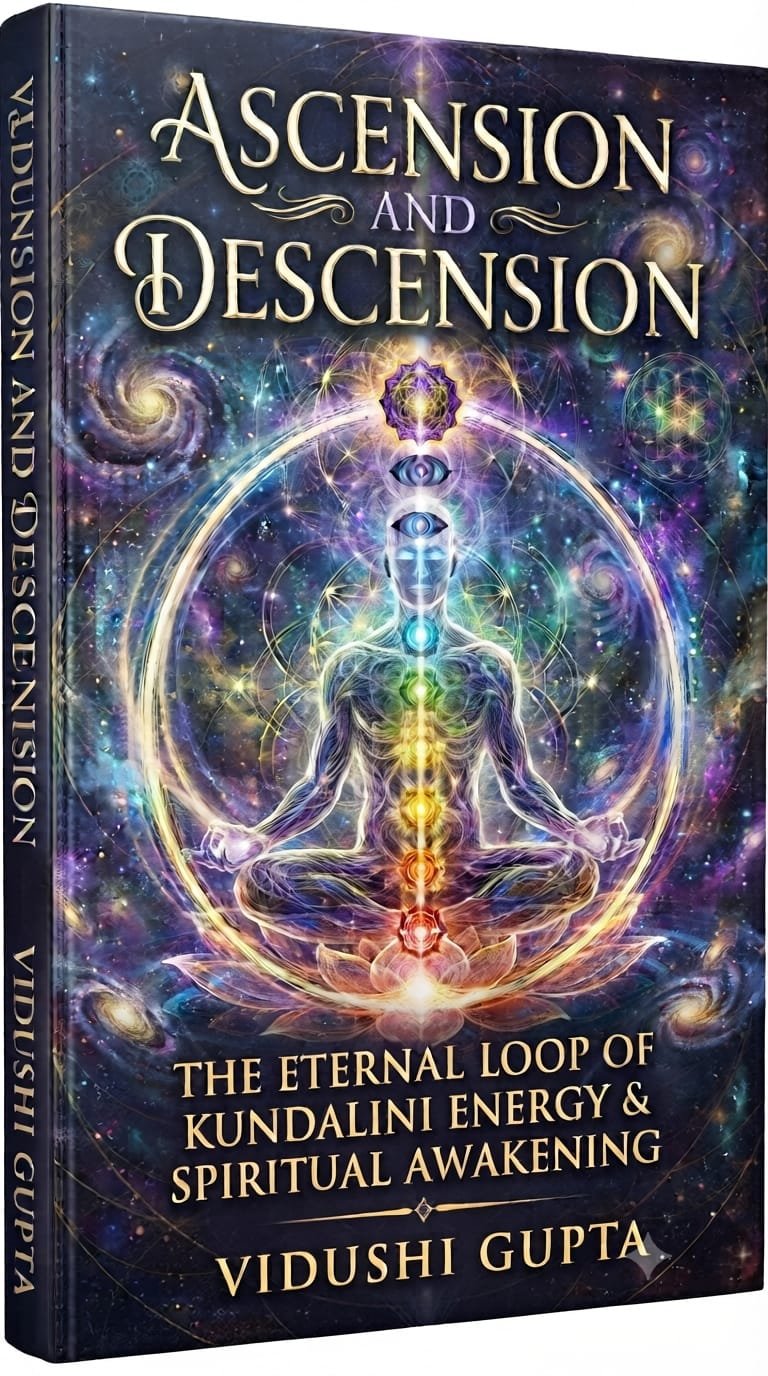
Ascension & Descension
The spiritual journey does not end when consciousness rises. It becomes complete when wisdom returns to life.
Ascension & Descension explores the movement from spiritual awakening toward embodiment. Through Kundalini, shadow work, Twin Flame experiences and the return from Crown to Root, the book explores what happens when spiritual insight enters the body, relationships, responsibility and everyday human life.
Practical Ways to Make Consciousness Useful
Begin with the next person, decision, and responsibility actually in front of you.
A collective mission can feel overwhelming when treated as a demand to change humanity. It becomes workable when translated into specific practices within our real sphere of influence.
- Pause before reacting. Notice the bodily signs of fear, anger, or defensiveness before choosing what to say.
- Listen for understanding. Give another person enough space to finish without immediately correcting, advising, or redirecting the conversation toward yourself.
- Communicate directly. Express needs and limits clearly instead of relying on guilt, withdrawal, testing, or emotional pressure.
- Repair when possible. Acknowledge the effect of your behavior, apologize without excuses, and identify what you will do differently.
- Respect freedom. Do not use spiritual beliefs to override another person’s boundaries, choices, timing, or interpretation of their experience.
- Connect compassion with action. Offer practical support when appropriate rather than turning another person’s pain into an abstract spiritual lesson.
- Create with intention. Let your work, art, leadership, parenting, or service communicate the values you claim to hold.
These practices are modest, but they give spiritual intention a visible form. They also reveal where further healing is needed, because daily relationships expose habits that private reflection can easily hide.
Consistency matters more than a flawless performance. The task is not to remain perfectly conscious but to notice when we have lost awareness, take responsibility, and return.
Service Without Becoming a Savior
Genuine service offers presence and care without taking ownership of another person’s path.
Service becomes unhealthy when it is driven by the need to be needed, admired, obeyed, or seen as spiritually important. Helping can then become a hidden form of control.
Grounded service respects limits. We can accompany someone without claiming to know what their life should mean, and we can share what helped us without insisting that it must help everyone.
Humility makes this possible. A mature person can say “I do not know,” change their mind, receive feedback, and recognize that another person may use completely different language to understand growth.
The aim is not to make our personal journey universal. It is to let what we have learned become kindness, courage, careful speech, honest work, responsible choices, and less harm.
Service may therefore remain almost invisible. Its value does not depend on public recognition; it lives in how we treat people when there is no reward, audience, or spiritual identity to protect.
Final Words
The Collective Soul Mission: Love in the World is fulfilled through embodiment rather than grand declarations. The light found inwardly becomes meaningful when it helps us meet earthly life with an open heart, clear boundaries, steady feet, and a willingness to keep learning.
We do not need to illuminate the entire world. We can carry our awareness carefully enough that our presence brings a little more honesty to relationships, a little more compassion to suffering, and a little less fear to the places we enter.
Awakening is not an escape from being human. It is an invitation to become more deeply human—and to let love become something we practice, not merely something we feel or believe.
FAQs
What is the collective soul mission?
The collective soul mission is the shared practice of bringing greater consciousness, compassion, freedom, and responsibility into human life. It unfolds through everyday choices rather than one fixed spiritual destiny.
How does personal healing support collective awakening?
Personal healing helps us react less unconsciously and pass fewer harmful patterns to others. When our behavior changes, relationships, families, workplaces, and communities can also begin to change.
Is the collective soul mission connected only to Twin Flames?
No. A Twin Flame relationship may provide one context for learning conscious love, but the collective mission includes every relationship and situation in which awareness replaces fear, control, or habitual harm.
Does conscious love mean accepting harmful behavior?
No. Conscious love includes discernment, consent, honest communication, and clear boundaries. Compassion does not require staying in an unsafe or damaging relationship.
How can I make my spiritual awakening useful?
Apply it to the life you already have. Listen carefully, pause before reacting, communicate directly, repair harm, respect other people’s freedom, and offer practical care when it is appropriate.
Can collective awakening happen without spiritual language?
Yes. It may be understood as emotional healing, psychological growth, responsible leadership, ethical living, or mature love. The vocabulary matters less than the consciousness expressed through action.

Vidushi Gupta is a spiritual coach, energy healer, and emotional wellness counselor with over 10 years of experience guiding people through spiritual signs, emotional healing, and inner transformation. She is the founder of Agyanetra and a published author of nearly ten novels, reaching over 20 million readers worldwide. Her approach is grounded, fear-free, and focused on helping readers understand spiritual experiences with clarity and emotional balance.