
The Descent Into the Underworld is an inner movement toward feelings, memories, needs, and identities that conscious life has pushed aside. It invites you to meet these hidden parts with awareness rather than treating darkness as something shameful.
You may begin this descent when a familiar role stops working. Strength gives way to vulnerability, certainty becomes confusion, or a close relationship exposes fears you thought you had overcome.
Vidushi Gupta’s treatment of shadow descent is useful because it keeps spirituality connected to ordinary human experience. Anger, longing, jealousy, grief, and the need for reassurance become material for honest examination rather than evidence of failure.
What the Underworld Means Psychologically
In inner work, the underworld represents what has been excluded from your conscious identity.
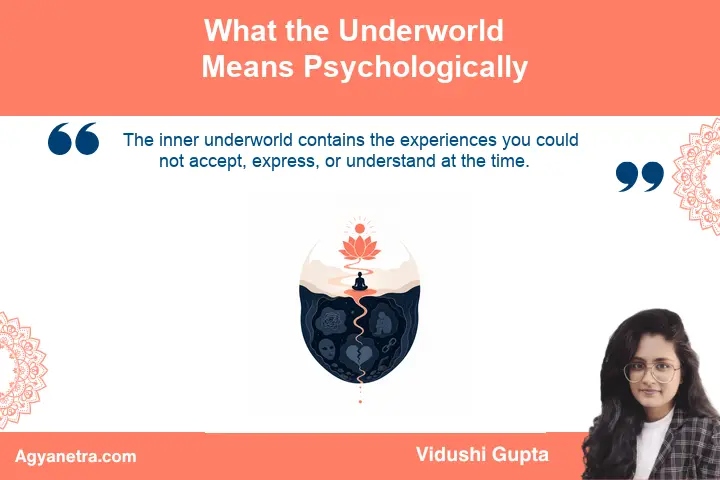
The inner underworld contains the experiences you could not accept, express, or understand at the time.
The image of descent has a long history. The Greek term katabasis refers to a journey downward, often into the realm of the dead, while myths such as the descent of Inanna portray loss, stripping away, death, and return.
Psychologically, no literal supernatural realm is required. The descent may involve meeting buried grief, disowned desire, childhood fear, unresolved shame, or qualities you rejected to remain loved and accepted.
These parts did not disappear when they were excluded. They often continued influencing choices through defensiveness, perfectionism, withdrawal, control, or repeated relationship patterns.
Why the Mask Must Loosen
Inner work begins when maintaining an image becomes less important than telling yourself the truth.
A mask is the identity you present to feel safe. It may say that you are always capable, independent, calm, detached, forgiving, or spiritually mature.
The hidden self may tell a different story. Beneath independence could be fear of dependence. Beneath constant calm could be unexpressed anger. Beneath surrender could be a quiet attempt to control the result.
Letting the mask loosen does not mean rejecting your strengths. It means admitting that strength and need, love and resentment, confidence and fear can exist in the same person.
This honesty may feel exposing, but it reduces the strain of performing wholeness before genuine integration has occurred.
Signs That an Inner Descent Has Begun
What feels like regression may sometimes be the first clear sight of material that was previously hidden.
The early stage can feel disorienting because an established identity is weakening before a more inclusive one has formed. You may no longer know which version of yourself is real.
- A dependable person suddenly feels tired, needy, or uncertain.
- A peaceful person discovers resentment or rage.
- An independent person notices a strong longing for closeness.
- A spiritual seeker finds that familiar teachings no longer settle every question.
- A confident person becomes aware of how much reassurance they seek.
Do not automatically romanticize severe distress as a spiritual initiation. Persistent hopelessness, inability to function, panic, self-harm thoughts, or traumatic flashbacks deserve support from a qualified mental health professional.
Inner work and professional care can complement each other. A grounded descent respects the nervous system and does not demand that every wound be opened at once.
Resistance Is a Guardian, Not an Enemy
Resistance often appears when you approach an emotion or memory that once felt impossible to bear.
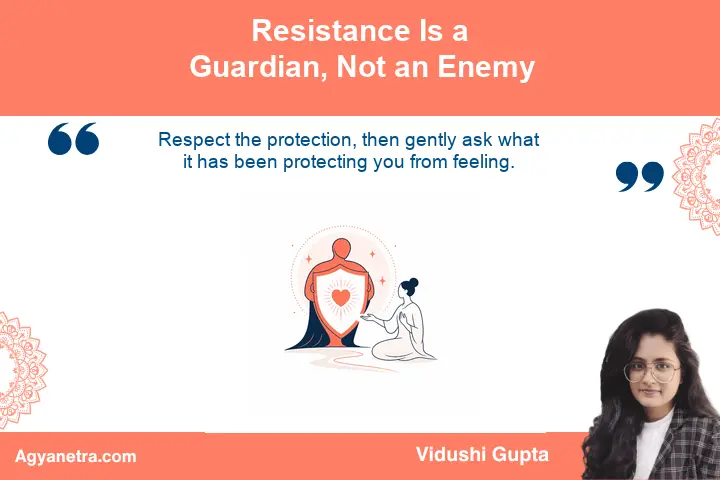
Respect the protection, then gently ask what it has been protecting you from feeling.
Avoidance can take obvious forms, such as distraction or emotional withdrawal. It can also hide inside positivity, constant analysis, compulsive self-improvement, or the pressure to forgive before anger has been understood.
Some defenses were intelligent responses to earlier circumstances. Control may have provided stability, detachment may have reduced pain, and perfectionism may have protected against criticism.
The task is not to tear these defenses down. First notice when they appear, what triggers them, and what feared experience lies beneath them.
Pacing matters. If an exercise leaves you flooded, disoriented, or unable to return to daily life, pause and seek safe support rather than forcing a breakthrough.
How to Witness the Shadow Without Judgment
You can acknowledge an emotion without obeying it, excusing harmful behavior, or attacking yourself for having it.
Self-judgment adds another layer of pain. You feel jealous, then feel ashamed of jealousy. You become angry, then criticize yourself for not being calm enough.
Witnessing interrupts that cycle. Instead of declaring that an emotion is bad, describe it accurately: anger is present, fear is tightening the body, or the need for reassurance has become strong.
Next, become curious about its function. Anger may be defending a boundary. Jealousy may reveal fear of loss. Withdrawal may be trying to prevent rejection.
Understanding a reaction does not make every action acceptable. You remain responsible for how you speak and behave, while giving the underlying emotion enough attention to reveal its message.
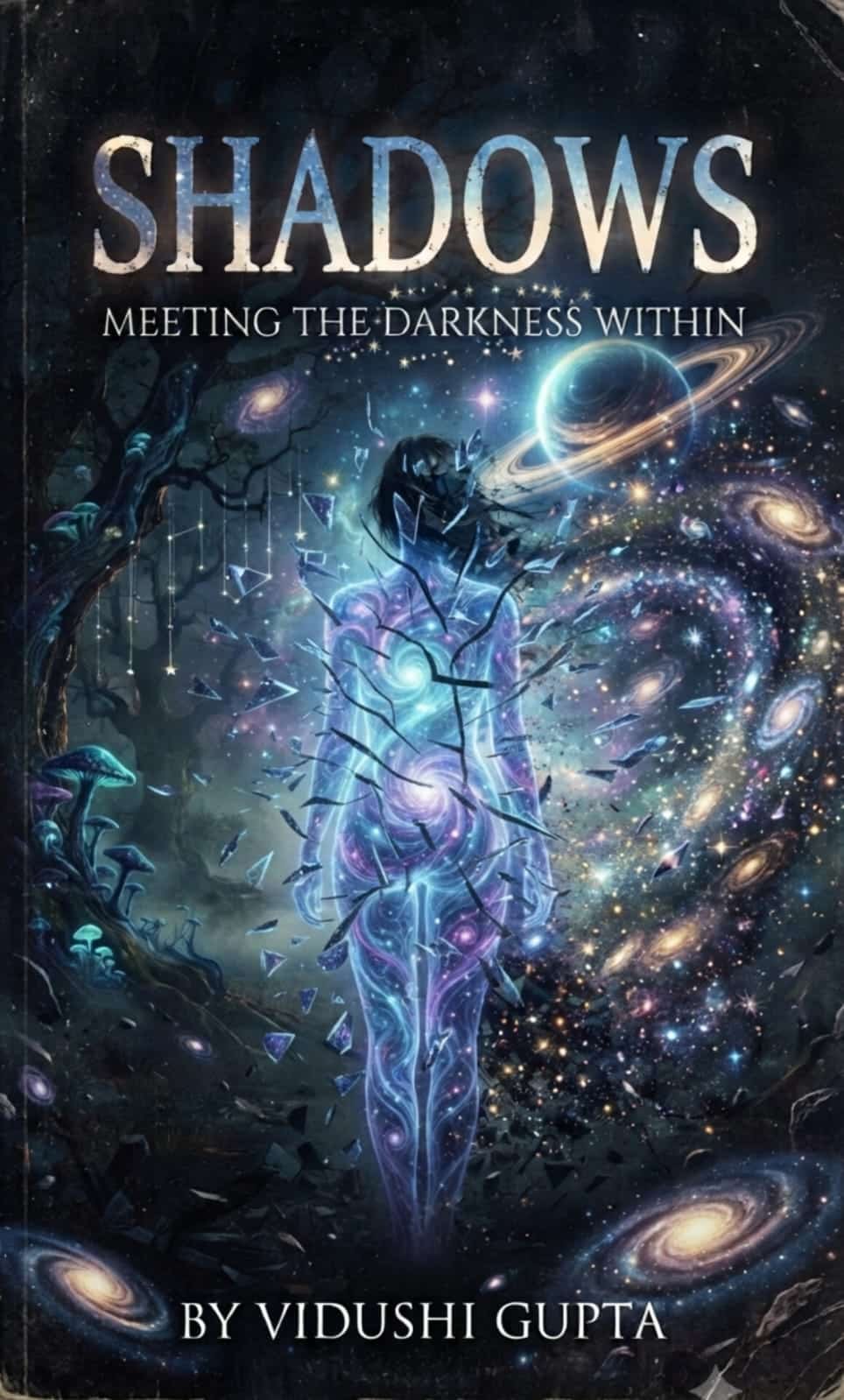
Shadows
Meeting The Darkness Within
Shadows explores the parts of ourselves we often reject, hide or project onto others. Through shadow work, wounded inner parts, emotional triggers and conscious integration, the book follows the journey from fragmentation toward inner union and wholeness.
When Love Becomes a Doorway Into the Self
An intense relationship can expose attachment, abandonment fear, control, longing, and the wish to be chosen.
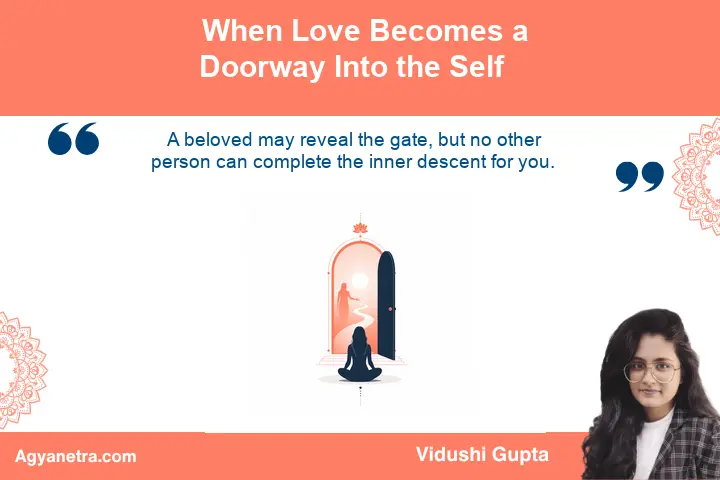
A beloved may reveal the gate, but no other person can complete the inner descent for you.
This is especially relevant when someone interprets a bond as a twin-flame connection. The label can feel meaningful, yet it should not be used to excuse obsession, disrespect, unavailable behavior, or the loss of personal boundaries.
The useful question is not only whether the relationship will take a desired form. Ask what the bond reveals about your relationship with uncertainty, self-worth, vulnerability, and personal responsibility.
Can you care for another person without making their presence proof of your value? Can you honor love while recognizing that the other person has separate needs, choices, and freedom?
When attention returns to these questions, relationship intensity can become an invitation to greater inner stability rather than an endless search for external certainty.
Finding an Inner Lamp
You do not need enough light for the whole path; you need enough awareness for the next honest step.
The inner lamp is the capacity to observe an experience without reducing your whole identity to it. Fear is something you can notice. It is not the total definition of who you are.
A simple practice can help you strengthen this distinction:
- Pause and notice what is happening in your body.
- Name the emotion without exaggerating or minimizing it.
- Ask what the emotion wants, fears, or protects.
- Choose one safe response that respects both the feeling and present reality.
For example, fear of abandonment may urge you to demand immediate reassurance. A conscious response could involve settling your body, writing down the fear, and later making a clear request without accusation.
This form of awareness is neither suppression nor indulgence. It creates enough space to decide how you want to respond.
What the Descent Can Give Back
Shadow work does more than uncover pain. It can restore abilities that became buried alongside difficult experiences.
When a rejected part is understood, the life within it can return in a more conscious form.
Anger can contribute to firm boundaries. Sensitivity can mature into discernment and empathy. Desire can support creativity, intimacy, and purposeful action.
Independence may shift from isolation to healthy self-reliance. Vulnerability may become the ability to communicate honestly rather than a condition of helplessness.
This change requires practice. An insight gained during meditation or reflection must eventually shape conversations, limits, decisions, and the way you care for yourself under stress.
Integration Means Making Room for the Whole Self
Integration asks how a difficult part can belong responsibly, rather than how quickly it can be removed.
Integration does not require you to approve of every impulse. It means recognizing that each part developed within a history and may carry a need, fear, ability, or unfinished emotion.
The vulnerable child and capable adult both belong. So do tenderness and strength, autonomy and connection, spiritual aspiration and ordinary human need.
Try choosing one recurring reaction and tracing its pattern. Notice the trigger, bodily sensation, protective belief, unmet need, and usual behavior. Then identify a response that is kinder and more responsible.
Progress may look modest: setting a boundary without rage, asking for reassurance without manipulation, or feeling grief without abandoning daily responsibilities. Such choices bring separated parts into a working relationship.
Final Words
The Descent Into the Underworld is not a demand to suffer or endlessly revisit the past. It is a willingness to stop abandoning yourself whenever an uncomfortable emotion appears.
You do not become whole by becoming flawless. Wholeness grows as hidden parts are met with honesty, appropriate boundaries, patient attention, and support when needed.
The aim is not to conquer inner darkness. It is to see clearly enough that fear, desire, grief, strength, and tenderness can occupy one conscious life.
FAQs
What does descent into the underworld mean spiritually?
It commonly symbolizes turning toward hidden pain, fear, desire, and rejected parts of the self. It is an inward process of awareness rather than necessarily a literal journey.
Is the inner descent the same as the dark night of the soul?
They can overlap, but they are not always identical. A dark night often involves loss of meaning or identity, while inner descent more broadly refers to meeting unconscious material.
How do I begin shadow work safely?
Start with one present-day reaction, observe it without judgment, and explore what it may be protecting. Move slowly, stay connected to daily life, and seek qualified support if traumatic material becomes overwhelming.
Does accepting the shadow mean acting on every feeling?
No. Acceptance means recognizing and understanding a feeling while remaining responsible for your choices and behavior.
Can a relationship trigger a descent into the underworld?
Yes. Intense closeness, distance, rejection, or uncertainty can expose attachment fears and unmet needs. The relationship may reveal the material, but each person remains responsible for their own inner work.
How can I tell whether I am integrating a shadow part?
The feeling becomes easier to name, and you gain more choice in how you respond. Integration often appears as clearer boundaries, less reactivity, and greater honesty with yourself and others.

Vidushi Gupta is a spiritual coach, energy healer, and emotional wellness counselor with over 10 years of experience guiding people through spiritual signs, emotional healing, and inner transformation. She is the founder of Agyanetra and a published author of nearly ten novels, reaching over 20 million readers worldwide. Her approach is grounded, fear-free, and focused on helping readers understand spiritual experiences with clarity and emotional balance.