The Twin Flame Must Descend is an invitation to bring an intense spiritual connection out of fantasy and into human reality. Whatever the bond means to you, it becomes trustworthy only when it respects freedom, boundaries, personal responsibility, and the ordinary needs of two complete people.
Twin flame language can help people describe recognition, mirroring, longing, separation, or a powerful sense of destiny. Yet spiritual language can also hide what is actually happening between two human beings.
Descent does not require you to reject the sacred. It asks you to stop using sacred ideas to escape reality and begin expressing love through honest, grounded choices.
Why the Twin Flame Myth Must Become Human
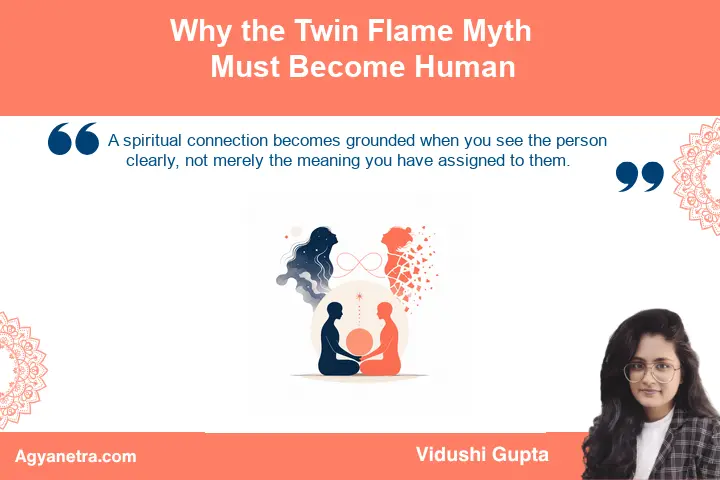
A spiritual connection becomes grounded when you see the person clearly, not merely the meaning you have assigned to them.
An intense connection can easily become an archetype. The other person may begin to represent completion, destiny, salvation, or the answer to every unresolved question in your life.
When that happens, you may stop relating to the individual in front of you. You relate instead to an idealized role created by hope, spiritual interpretation, and emotional need.
Descent reverses this movement. It allows the other person to have a personal history, changing feelings, fears, responsibilities, preferences, limitations, and a path that does not exist solely to support your awakening.
This does not make the connection meaningless. It replaces projection with attention, giving you the chance to appreciate the person rather than worship the image.
A human being will not perfectly match a spiritual script. Seeing this clearly can feel disappointing, but it also opens the door to a more mature and sustainable form of love.
Freedom Is Part of Sacred Love
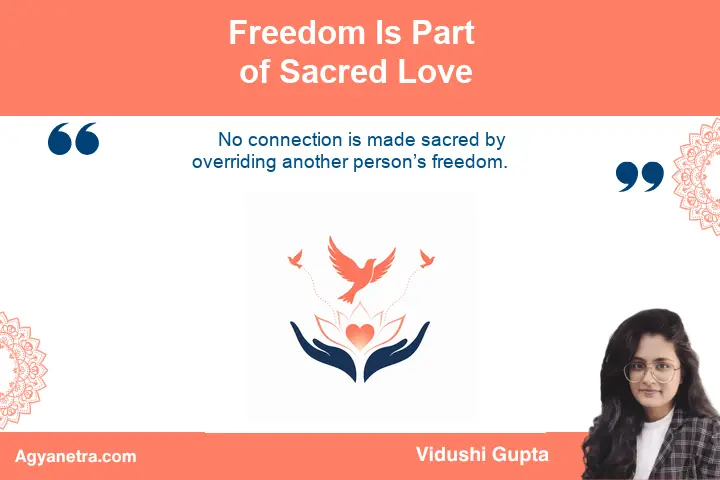
No connection is made sacred by overriding another person’s freedom.
A belief in destiny does not create ownership. Even when a bond feels profound, both people retain the right to choose whether, when, and how they participate in a relationship.
This means a spiritual interpretation cannot replace consent. It cannot be used to dismiss a clear refusal, cross a boundary, demand contact, or insist that another person secretly wants a relationship they have not chosen.
Freedom also includes the ability to change. Someone may care deeply and still need distance, follow another direction, or decide that partnership is not right for them.
Respecting that choice is not a failure of faith. It is one of the clearest ways to distinguish love from possession.
If you are uncertain about where you stand, rely on direct communication rather than signs, readings, coincidences, or assumptions. Symbolic experiences may hold personal meaning, but they cannot communicate another person’s consent.
A grounded connection makes room for two voices. Both people can say yes, no, not now, or this is what I need without being punished for disrupting a spiritual narrative.
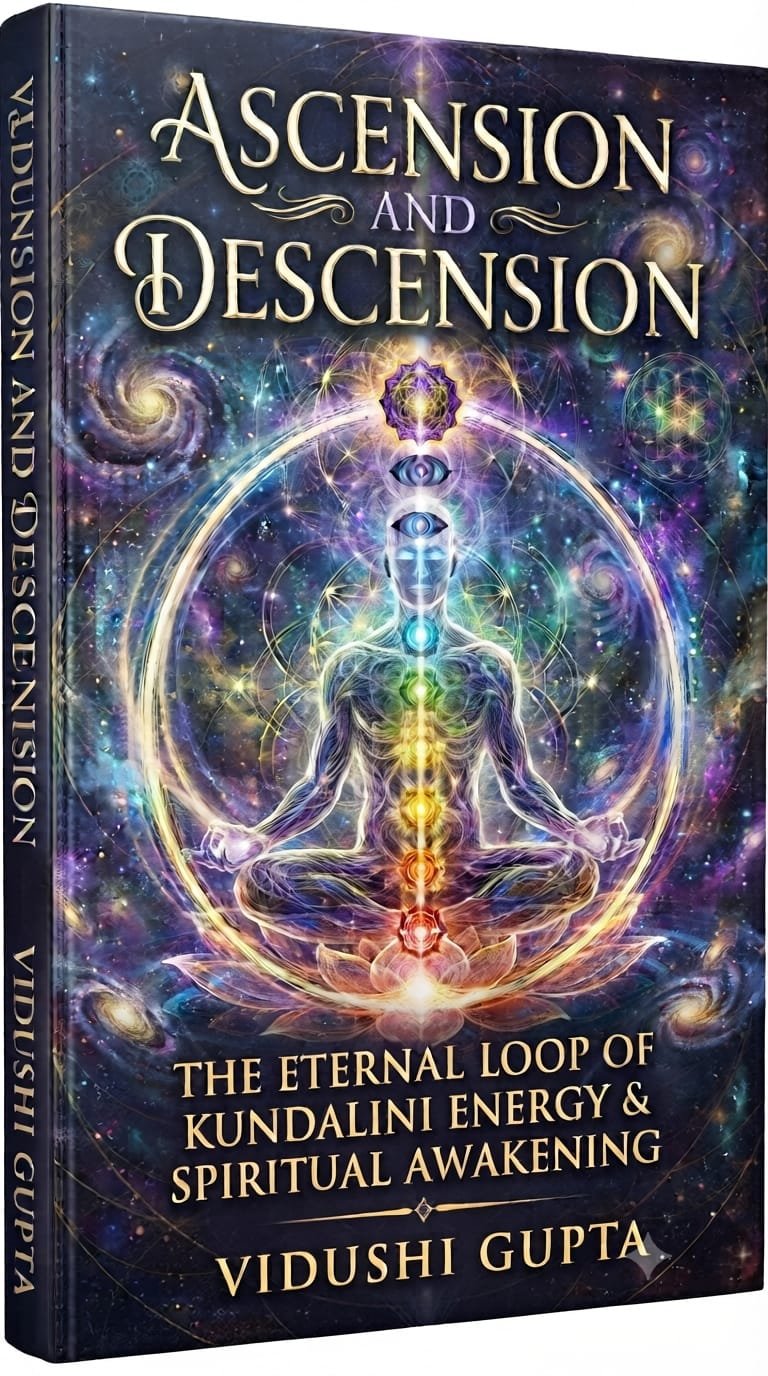
Ascension & Descension
The spiritual journey does not end when consciousness rises. It becomes complete when wisdom returns to life.
Ascension & Descension explores the movement from spiritual awakening toward embodiment. Through Kundalini, shadow work, Twin Flame experiences and the return from Crown to Root, the book explores what happens when spiritual insight enters the body, relationships, responsibility and everyday human life.
Wholeness Changes the Meaning of Union
Healthy union is a meeting between two whole people, not an attempt to make one person repair the other.
The idea of a missing half can make longing feel spiritually important. It can also encourage the belief that your inner stability, purpose, or happiness depends on another person’s return.
Wholeness does not mean becoming emotionally invulnerable. You can miss someone, desire partnership, and feel grief while still maintaining your identity, values, friendships, work, health, and capacity to make decisions.
From this position, union no longer means dissolving into each other. It means two distinct people meeting without either person abandoning the self.
The difference between need and choice is especially important. Need makes the relationship responsible for your completeness, while choice allows you to offer love without making the other person carry your inner life.
Ask yourself whether the connection supports your integrity. Can you remain honest, care for your body, pursue your responsibilities, and respect your own limits while loving this person?
If the answer is no, the immediate work may not be achieving union. It may be rebuilding the inner center from which a healthy relationship could eventually be chosen.
The Mystical Must Become Practical
Spiritual language matters only when it becomes visible in the way two people treat each other.
A relationship cannot live on energetic intensity alone. If two people choose partnership, their connection must eventually take form through communication, accountability, reliability, and care.
Look for practical expressions of love rather than relying only on powerful feelings. Healthy partnership usually includes:
- Clear and voluntary consent from both people.
- Honest communication about intentions and expectations.
- Respect for emotional, physical, digital, and sexual boundaries.
- Accountability when either person causes harm.
- Space for separate friendships, interests, and responsibilities.
- A willingness to repair conflict without manipulation or threats.
These qualities may appear less dramatic than synchronicities or moments of intense recognition. Yet they reveal whether spiritual insight can survive contact with real life.
Accountability is especially important. Calling a harmful pattern part of a spiritual lesson does not repair it; naming the behavior, listening to its impact, apologizing sincerely, and changing future conduct may.
Likewise, communication requires more than assuming that two people are telepathically connected. Ask clear questions, listen to spoken answers, and allow actions over time to show whether words are dependable.
This grounded understanding is central to Vidushi Gupta’s Ascension & Descension: spiritual meaning becomes credible when it honors the full humanity of everyone involved.
Can Sacred Love Survive Ordinary Life?
The ordinary does not reduce sacred love; it reveals whether that love can be lived.
Powerful beginnings often feel effortless because mystery and possibility are abundant. A shared life introduces different moods, household tasks, financial decisions, family pressures, fatigue, illness, and plans that do not unfold as expected.
These realities are not interruptions to the spiritual journey. They are where patience, tenderness, truthfulness, and emotional maturity become practices rather than ideals.
A grounded relationship allows one person to need closeness while the other needs space. Instead of interpreting every difference as rejection, both people learn to discuss needs and negotiate without erasing either person.
Conflict also becomes informative. The important question is not whether disagreement occurs, but whether both people can remain respectful, take responsibility, and seek repair.
Small actions often reveal more than dramatic declarations. Keeping a promise, making time to listen, sharing practical burdens, and respecting a boundary can turn sacredness from a projection into a lived quality.
Union, therefore, is not a final spiritual achievement. If two people come together, it becomes a new beginning that must be renewed through ordinary decisions.
A Grounded Twin Flame Discernment Practice
Discernment asks what the connection produces in your life, not only how powerful it feels.
Intensity alone does not tell you whether a relationship is healthy. A grounded assessment considers observable behavior, mutual participation, and the effect the bond has on your well-being.
Begin by separating what you know from what you interpret. Write down what the person has directly communicated, what they consistently do, and which conclusions come mainly from signs, intuition, or hope.
Then ask yourself several practical questions:
- Is the connection openly acknowledged by both people?
- Are boundaries respected without argument or spiritual pressure?
- Can we discuss difficult subjects directly?
- Do actions consistently support stated intentions?
- Am I becoming more stable and honest, or more consumed and isolated?
- Can I accept this person’s freedom even when their choice disappoints me?
Your answers may reveal love, incompatibility, uncertainty, or a need for distance. Discernment does not force a predetermined outcome; it helps you respond to what is actually present.
If the connection is creating severe distress, disrupting daily functioning, or encouraging unsafe behavior, seek support from a qualified mental health professional. Spiritual reflection and professional care can coexist.
When Love Does Not Become Partnership
A meaningful connection does not guarantee a relationship, and its value need not depend on that outcome.
Sometimes two people do not choose the same future. One may be unavailable, uninterested, committed elsewhere, or simply moving in a different direction.
Accepting this can involve genuine grief. You may need to release not only the person, but also the imagined future and spiritual identity built around the connection.
Release does not require you to deny that the experience mattered. You can honor what it awakened while refusing to organize your whole life around waiting.
Practical release may include reducing contact, stopping repeated checking of messages or social media, returning attention to neglected responsibilities, and leaning on trusted support. These steps are not betrayals of love; they restore proportion and agency.
The deeper purpose of a transformative connection may be revealed in how you grow, not in whether a specific partnership occurs. What you learn about boundaries, self-respect, courage, and honest love can remain yours.
Final Words
The Twin Flame Must Descend because love cannot remain only an idea, energetic bond, or promise of destiny. It must meet the reality of two independent people who can communicate, choose, disagree, grow, and remain fully themselves.
The most grounded question is not whether another person is cosmically required to complete your story. It is whether both of you freely choose to meet—and whether that choice becomes honest, respectful, responsible love.
FAQs
What does it mean that the Twin Flame must descend?
It means bringing the connection out of spiritual idealization and into human reality. The relationship must honor consent, freedom, boundaries, communication, and practical responsibility.
Does descent mean the twin flame connection is not spiritual?
No. Descent does not reject spiritual meaning; it asks that spiritual meaning be expressed through grounded, respectful behavior rather than fantasy or projection.
Can someone be my twin flame if they do not choose a relationship with me?
You may interpret the connection in a personally meaningful way, but that interpretation does not create mutual partnership. A relationship requires clear and voluntary participation from both people.
What is grounded twin flame union?
Grounded union is a freely chosen relationship between two distinct people who maintain their identities. It includes honest communication, consent, accountability, boundaries, and shared practical effort.
How can I tell the difference between love and obsession?
Love respects the other person’s freedom and supports your own stability. Obsession often involves compulsive monitoring, ignored boundaries, isolation, or the belief that you cannot be whole without a specific person.
What should I do if a twin flame connection is causing distress?
Return attention to observable facts, reduce behaviors that intensify fixation, and seek support from trusted people. If distress disrupts daily life or creates unsafe behavior, contact a qualified mental health professional.

Vidushi Gupta is a spiritual coach, energy healer, and emotional wellness counselor with over 10 years of experience guiding people through spiritual signs, emotional healing, and inner transformation. She is the founder of Agyanetra and a published author of nearly ten novels, reaching over 20 million readers worldwide. Her approach is grounded, fear-free, and focused on helping readers understand spiritual experiences with clarity and emotional balance.